Song Review: "After the Storm"
The Cost of Unheeded Warnings
The protest song "After the Storm" by songwriters Kelly Brightwell and Woody Moran is a chilling and highly effective piece of social commentary, employing the powerful, ancient metaphor of a catastrophic flood to critique leadership, denial, and willful ignorance in the face of impending crisis. The lyrics immediately establish a tone of shock and hindsight, making it clear that the disaster—whatever form it takes in the real world—was entirely preventable.
The Critique of Denial
The song opens not with a bang, but with disbelief: "Didn’t understand the danger, just a little bit of rain." This line perfectly encapsulates the danger of underestimating slow-moving threats, whether they are environmental, economic, or political. The rapid escalation from "little bit of rain" to "River rising" creates a terrifying sense of momentum and chaos.
The critique is aimed directly at those who failed to prepare, those who "laughed at the forecast," believing the disaster wouldn't touch them. The most pointed lines appear in Verse 2, accusing the subject of wearing "the violence like a halo," suggesting a perverse pride or intentional embrace of destructive behavior, perhaps referring to politicians who monetize or benefit from the very systems they allow to fail.
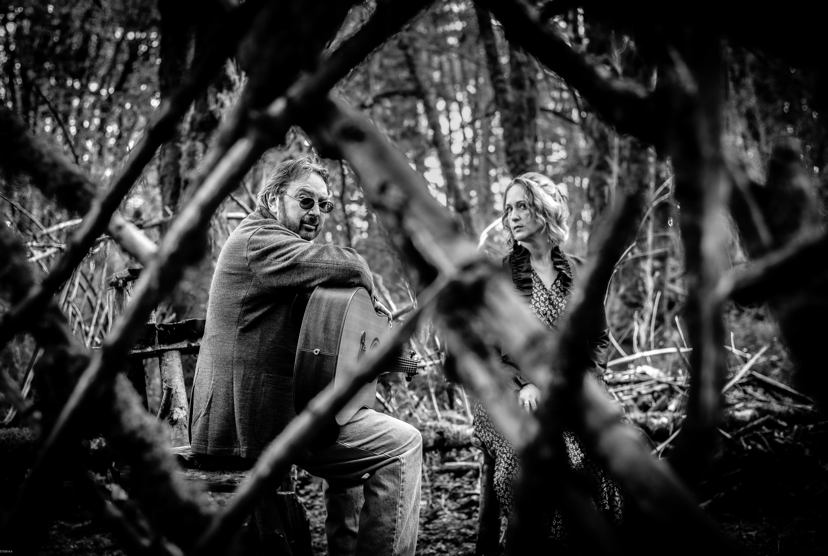
The Haunting Chorus
The chorus acts as the song's core thesis, framing the entire narrative as a dramatic confrontation:
After the storm / Did you really think you’d get out unharmed / After the storm / Could you hear us when we sounded the alarm?
This refrain is the heart of the protest. It shifts the focus from the chaos of the flood to the moral failure of those in power or those in denial. The repetition of "Everything looks different… After the storm" serves as a devastating summary of the irreversible damage and the loss of innocence or security.
Structure and Tone
The structure of the song is designed for maximum dramatic tension. The verses set the scene of denial and rising water, leading inevitably to the accusatory, cathartic climax of the chorus. The note for Verse 2—"(6/8 time)"—is brilliant, suggesting a rhythmic shift from a standard 4/4 meter to a rolling, folk-ballad or marching rhythm. This change in rhythm would enhance the feeling of being swept away or create a solemn, defiant march against the consequences of the storm.
The bridge reinforces the central, challenging question of responsibility: "Did you save what’s worth saving / While the storm was erasing / Everything that stood in its way." This forces the listener to look inward, broadening the critique from external leadership to personal accountability.
Final Verdict
"After the Storm" succeeds because its central metaphor is both simple and endlessly adaptable. It functions equally well as a lament on the climate crisis, a commentary on social injustice, or a reckoning with historical political failures. It's not just a warning about a future disaster; it’s a scathing indictment of a disaster already past, emphasizing that the true cost of denial is not just the immediate damage, but the realization that the world—and the people within it—will never be the same. It's an essential, challenging piece of modern protest music.
Best Used To: Soundtrack public service announcements, or close out a political rally. Key Takeaway: The alarm was sounded, but few were listening.
Click for YouTube Video


 If you weren't able to attend the latest performance by Brightwell & Moran and would like to take a look, Cafe Artichoke streamed this show and it is available on their YouTube page. The show starts off with a cover of Henley & Hornsby's song “End of the Innocence.” This is the very first song and Woody forgot to put his capo on his guitar, the good news is that we caught it on the first chord.
  Brightwell & Moran appear on the KOIN AM Extra show to talk about their award-winning song, Bare Boards; Recording the song at Abbey Road Studios in London as the prize from Talent Is Timless; Promoting their new EP, "Land of Plenty"; as well as their upcoming show at Cafe Artichoke on September 23rd. You can watch the interview by clicking
  Brightwell & Moran were able to dip our big toes into the world of jingles thanks to a call from Corky Coreson. Corky has been around the Portland radio and jingle scene for many years, writing and producing scores of jingles. He told us that he had been thinking of who to get to do his new jingle for Grover Electric & Plumbing, who have retail stores all over the Pacific Northwest. Then he thought, who do I know that are already used to singing and harmonizing together. Thank goodness he was already our fan. You can hear the music bed that Corky wrote along with Brightwell & Moran's jingle debut at the end of the track by clicking